
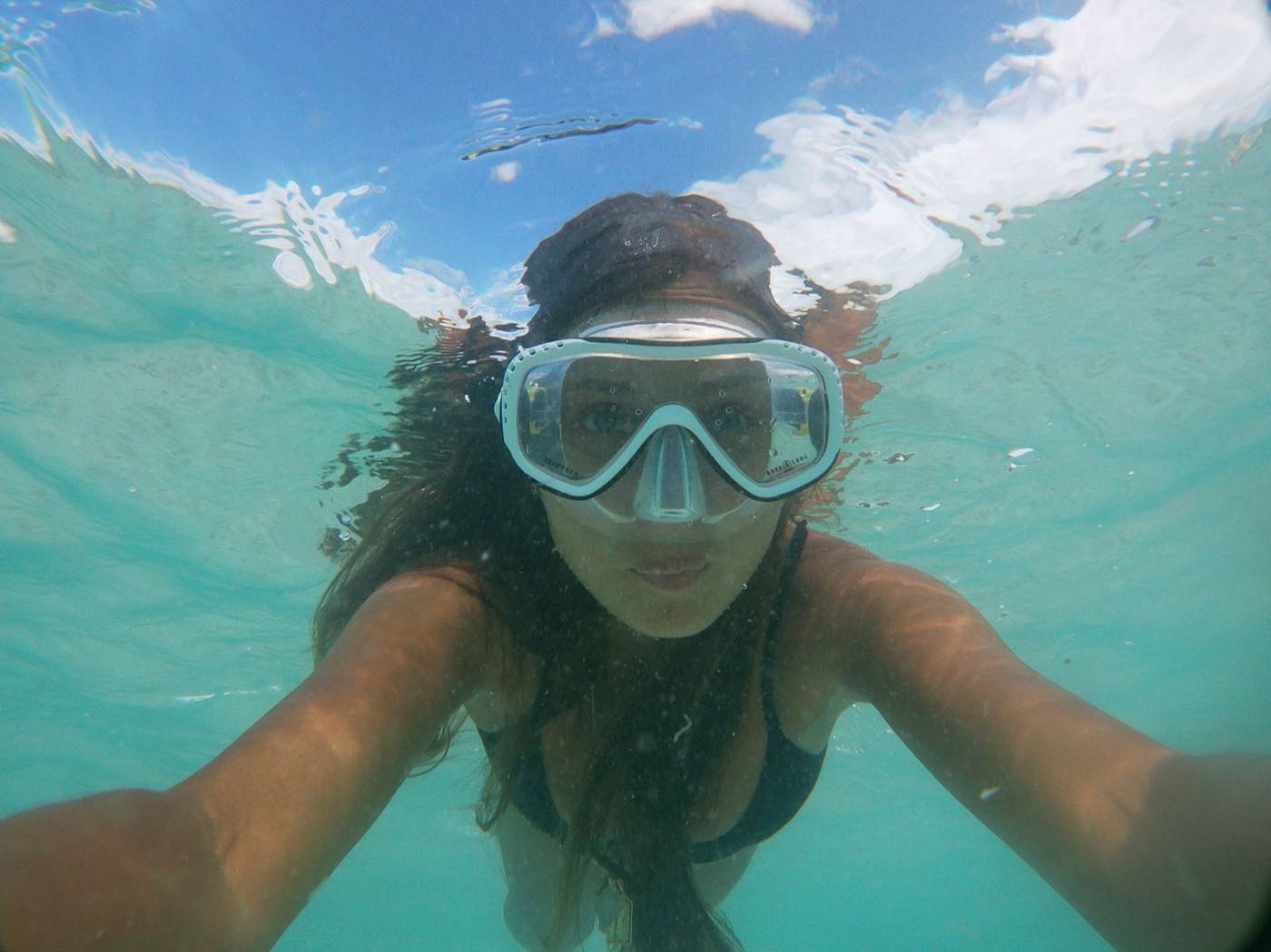

Playa del Carmen, in the state of Quintana Roo, Mexico, sits on the second largest coral reef system on the planet, an hour's drive from one of the biggest whale shark gatherings anywhere, and thirty minutes from Akumal bay, where green turtles graze in ten feet of water. All of it happens without a scuba tank, with a mask and a snorkel. This guide walks through every boat tour you can book from Playa: the exact season, the real price in dollars and pesos, how long it takes, what is included, the regulations you need to know, and the one detail that tells a serious operator from a careless one. It also says plainly which trips to refuse.
Which boat tour to book from Playa del Carmen
One thing settles it: the dates of your trip. From May 15 to September 15, swimming with whale sharks outclasses everything else on this coast and is worth a full day. Outside that window, the turtle snorkel at Akumal is the best time you will spend on the water here, for 500 to 800 pesos ($29 to $47).
Playa has no large marina. Boats leave straight off the sand or from the small Playacar marina, and the whale shark and Isla Mujeres trips actually depart from Cancún, an hour of road transfer covered in our Cancún airport to Playa del Carmen guide.
| Tour | Season | Length | Price per person |
|---|---|---|---|
| Whale shark | May 15 to Sept 15 | 9 to 11 hrs | $125 to $175 (2,100 to 3,000 pesos) |
| Akumal turtles | Year round | 3 to 4 hrs | $30 to $47 (500 to 800 pesos) |
| Playa reef snorkel | Year round | 1 hr 45 min | About $47 (800 pesos) |
| Isla Mujeres catamaran | Year round | 8 to 10 hrs | $59 to $65 (1,000 to 1,100 pesos) |
| Cozumel catamaran | Year round | 10 to 12 hrs | $53 to $92 (900 to 1,550 pesos) |
| Sport fishing | Year round | 4 hrs | From $53 (900 pesos) |
| Sunset cruise | Year round | 2 hrs | From $39 (660 pesos) |
Swimming with whale sharks: May 15 to September 15
The official 2026 season runs May 15 to September 15, with the heart of it in July and August. Conanp, Mexico's national commission for protected natural areas, sets those dates every year, and no legal operator sails outside them.
The whale shark is the largest fish in the world, up to 40 feet (12 m) long. It filters plankton: no usable teeth, no aggression, and no interest in swimmers. Every summer several hundred gather northeast of Isla Mujeres, where operators commonly report 200 animals visible in a single day, with peaks announced as high as 700.
How the day runs. Pickup in Playa between 5:30 and 6:30 am, roughly an hour of transfer, then 45 minutes to 2 hours of sailing. Two or three water entries of a few minutes each, lunch and a swim stop on the way back, return between 3 and 5 pm.
Prices. $125 to $175 per person on a shared boat, or 2,100 to 3,000 pesos, with gear, vest, meal and guide included. Semi-private boats capped at 10 passengers run $180 to $250 (3,050 to 4,250 pesos). Starting from Playa adds the transfer and puts you at the top of those ranges.
The rules, and why they are this strict
Everything is governed by standard NOM-171-SEMARNAT-2018, published in Mexico's official gazette on November 19, 2019:
- Two swimmers in the water at a time, plus the guide. The rest of the group waits its turn on board. That is exactly why a whole day buys you only a few minutes of swimming.
- A life vest or a wetsuit is mandatory, strong swimmers included.
- Minimum distances: 6.5 feet (2 m) from either side of the head, 10 feet (3 m) from the tail fin.
- No contact. Touching the animal, holding on to it or riding it is banned.
- 30 minutes maximum for one boat around the same animal.
- Non biodegradable sunscreen is banned: oxybenzone and octinoxate are not allowed.
- Speed capped at 7 knots (8 mph) on approach and 3 knots (3.5 mph) inside the aggregation zone.
- No scuba tanks. The swim is snorkel only.
For 2026, Conanp kept 280 to 320 permits for boats out of Cancún, Puerto Juárez, Isla Mujeres and Holbox, with a ceiling of 120 boats a day at Isla Mujeres, 40 at Holbox, and 10 passengers per boat. Authorized vessels carry a radio frequency chip, which is how the unlicensed ones get spotted.
Seasickness: the real weak point of this trip
You spend 2 to 4 hours in open sea, a good part of it with the engine idling while the captain looks for animals, in a short choppy swell. That is precisely the setup that makes people ill. What works: a tablet taken at breakfast, not at boarding, when it is already too late. Stay on the aft deck, watch the horizon, leave the phone in the bag. With children under 8, skip this one.
How to spot a serious operator: it displays its Conanp permit with the boat number, states a 10 passenger maximum and two swimmers per rotation, and refuses to guarantee an encounter.
Snorkeling with sea turtles at Akumal
Akumal is the most accessible trip in the region and the only one that all but guarantees a sighting, all year round. The bay, 30 to 40 minutes and about 23 miles (37 km) south of Playa, holds a seagrass bed where green turtles graze in 6 to 13 feet (2 to 4 m) of water.
Since 2016, you can no longer swim in on your own. The bay is a refuge area of 4,085 acres (1,653 hectares), with a protection program published in the official gazette on October 6, 2017. Reaching the seagrass requires a guide licensed by Conanp, in groups of 6 people maximum. Vest, mask, snorkel and fins are compulsory, sunscreen has to be biodegradable, and time in the water is capped at 55 minutes on the first circuit and 65 on the second. Turtle swimming is allowed from 9 am to 5 pm. In the water: 10 feet (3 m) of distance, no contact, no chasing, no feeding. The vest is not a formality, it is what stops you diving down and damaging the seagrass.
Prices. 200 to 350 pesos ($12 to $21) for the access fee, then 500 to 800 pesos ($29 to $47) for the guided circuit with gear, plus 100 pesos for parking. By colectivo from Calle 2, budget 40 to 50 pesos and 30 to 40 minutes, with a drop off at the Akumal footbridge.
The hour matters more than anything else. Be in the water at 9 am, when the bay is calm, visibility is at its best and the coaches from Cancún have not arrived yet. By 11 am the seagrass is stirred up and visibility drops.
An honest limit: Akumal is not a colorful reef, it is a green brown seagrass meadow in water that is often milky. You come here for the turtles.
How to spot a serious operator: the guide shows his Conanp license and repeats the 10 foot rule before anyone gets in the water.
Snorkeling the reef off Playa del Carmen
From the beach, snorkeling here is a waste of time: the reef is too far out. You need a boat, and it then becomes the shortest tour in town.
Count on 1 hr 45 min door to door, including about an hour on the reef, for roughly 800 pesos ($47) per person, with vest, mask, fins, snorkel and a drink included. Boats reach coral heads in 10 to 15 minutes, in 16 to 33 feet (5 to 10 m) of water, where you cross turtles, barracuda and rays.
From April to August, sargassum in Playa del Carmen makes getting in from the shore unpleasant, but the boats work further out. If you want to know which stretches of sand stay usable in the meantime, our guide to the beaches of Playa del Carmen goes through them one by one.
How to spot a serious operator: a guide who stays in the water with the group, a vest for everyone, and a radio on board.
Catamaran to Isla Mujeres or Cozumel: who it actually suits
Let us be blunt: an open bar catamaran is a party, not a nature trip. The snorkeling lasts 30 to 45 minutes, with thirty people in the same patch of water.
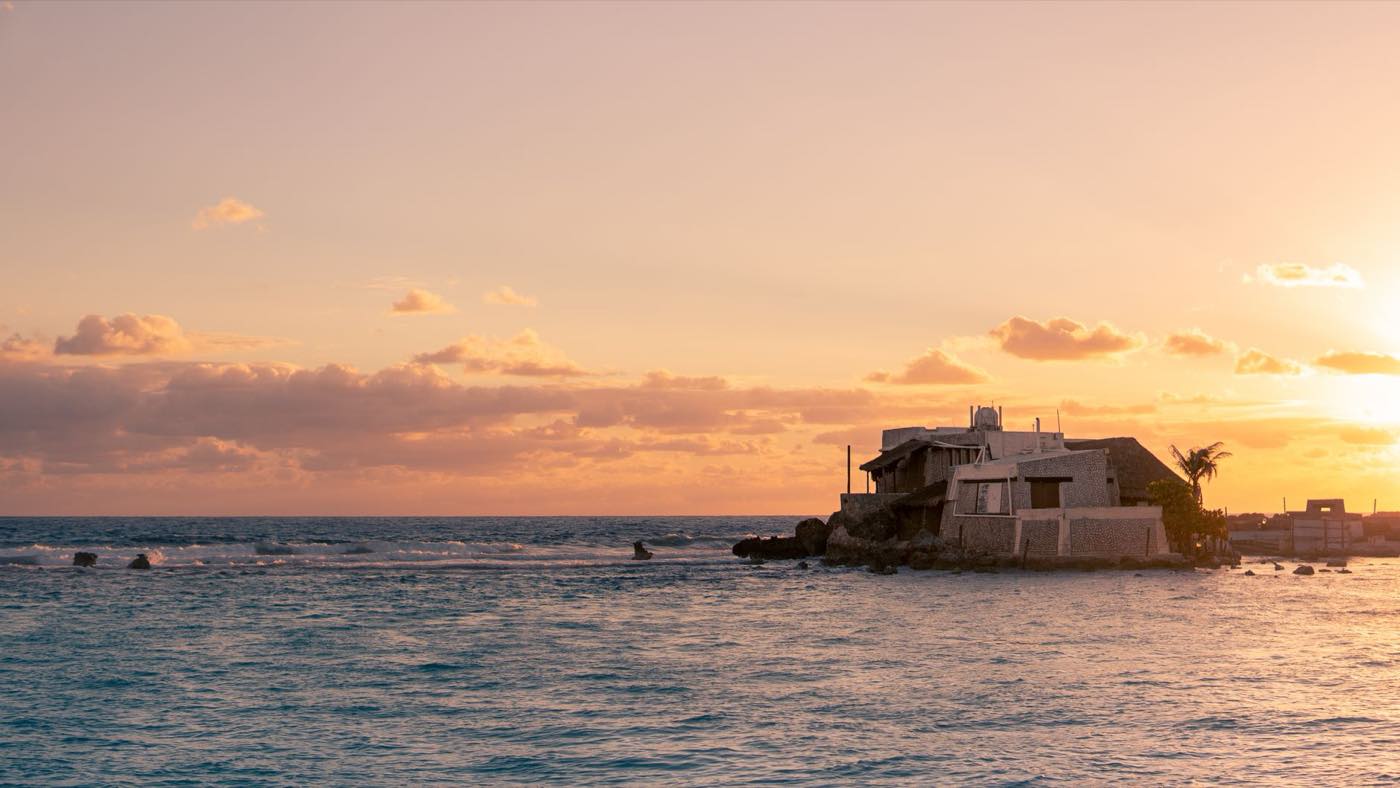
To Isla Mujeres: 1,000 to 1,100 pesos ($59 to $65), 8 to 10 hours door to door, transfer to Cancún, domestic open bar, buffet, one snorkel stop and a beach club included. Shorter 6 to 7 hour versions run around 950 pesos ($56).
To Cozumel: you first cross by ferry from the Fifth Avenue pier, 320 pesos with Ultramar and 335 with Winjet per adult each way, 35 to 40 minutes, departures roughly every hour. The catamaran then leaves around 1:30 pm for 5 hours on board, taking in El Cielo and Palancar, at 900 to 1,550 pesos ($53 to $91) plus a 225 peso marine park fee.
Who it suits: a group of friends who want a day on a boat, music and an open bar, and for whom seeing three fish is a bonus. Who it does not suit: families with young children, anyone prone to seasickness, anyone who does not drink, and anyone hoping for good snorkeling. If Cozumel and its underwater life are the point, take the ferry on your own and make your own way to El Cielo: ten times better for barely more money.
How to spot a serious operator: the passenger count is announced before you book rather than discovered at the pier, and the open bar closes during water entries.
Sport fishing off Playa del Carmen
The drop off sits 0.6 to 1.2 miles (1 to 2 km) from shore, which makes Playa one of the few places where big game fishing fits into half a day: ten minutes after casting off, the lines are in the water. Barracuda, wahoo, bonito and tuna are there all year, and mahi mahi stays present across the whole season.
Prices: a shared 4 hour trip starts around $53 per person, or 900 pesos. Chartering a whole boat for 4 hours costs $275 to $300, that is 4,650 to 5,100 pesos, with rods, bait and permit included.
The federal permit is compulsory and issued in your name: 263 pesos a day, 569 a week, 825 a month, 1,080 a year. It is normally included in the charter, but check before you pay.
How to spot a serious operator: it hands you the permit in your own name and states its catch and release policy before departure.
Sunset cruises
This is the cheapest tour on the list and the only one that fits into an otherwise busy end of day. Two hours of sailing, leaving around 5:30 pm, from $39 per person or 660 pesos, with open bar, snacks and hotel pickup included, children accepted from age 10.
One caveat that rarely gets said out loud: the coast at Playa faces east, towards Cozumel. The sun does not set into the sea, it sets behind you, over the jungle. You watch the sky turn pink and the island fade out in front of you, not a ball of fire dropping into the water. Worth knowing before you pay for the postcard.
Wildlife rules: what is banned, and the tour to turn down
Two bans allow no exceptions, and an operator who works around them puts you in breach of the law too. With whale sharks: no contact, no riding, no flash photography, and the distances listed above. With turtles: no contact, no chasing, no feeding, 10 feet, a vest, and a licensed guide. Fines run into thousands of pesos.
Sunscreen remains the most ordinary poison in the region, and the real answer is not a biodegradable cream: it is a long sleeved rash guard and nothing on your skin.
The tour to refuse outright: swimming with captive dolphins. The reform known as the Ley Mincho, passed by the Mexican Congress in July 2025, amended article 60 Bis of the general wildlife law to ban shows with marine mammals, captive breeding for commercial purposes, and physical interaction with the public. But a transitional regime lets existing facilities carry on with the animals they already hold, and the implementing regulation still had not been published by summer 2026. So you will still see dolphin swim signs on Fifth Avenue. Do not go: tourist demand is what keeps those pools in business.
Turn down, in the same way, any tour that guarantees an encounter with a wild animal, and any trip where the guide feeds the fish to put on a show.
When to book, and when to come
Book the whale shark trip as soon as your dates are fixed, and the rest 48 hours ahead. With 120 boats a day and 10 seats each at Isla Mujeres, July and August slots go several days in advance.
- May 15 to September 15: whale sharks, peaking in July and August.
- April to August: sargassum. It cancels no boat trip, it just makes getting in from the beach unpleasant.
- September and October: hurricanes. The harbour master closes the port for days at a time and every tour is scrubbed. Book only with free cancellation.
- December to April: calmest sea and best visibility, but no whale sharks.
Our guide to the best time to visit Playa del Carmen cross checks weather, prices and sargassum month by month. And on the day the port closes, the fallback picks itself: the cenotes around Playa del Carmen are open 365 days a year.
Keep going

Frequently asked questions
When is whale shark season in Playa del Carmen?
The official 2026 season set by Conanp runs May 15 to September 15, peaking in July and August. No legal operator sails outside that window. Tours leave from Cancún, Puerto Juárez or Isla Mujeres, about an hour's drive from Playa del Carmen, and cost $125 to $175 (2,100 to 3,000 pesos) on a shared boat for a 9 to 11 hour day.
Are whale sharks dangerous to swim with?
No. It is the largest fish in the world, up to 40 feet (12 m), but it is a plankton filter feeder with no usable teeth and no aggression towards people. The real risk on this trip is not the animal, it is seasickness over 2 to 4 hours at sea and getting in and out of the water offshore. The regulations require a life vest, two swimmers in the water at a time, and a minimum of 6.5 feet (2 m) from the head.
Can you snorkel with the Akumal turtles without a guide?
No, not since 2016. The bay is a refuge area of 4,085 acres (1,653 hectares) and reaching the seagrass zone requires a guide licensed by Conanp, in groups of 6 people maximum, with a vest, mask, snorkel and fins. Budget 200 to 350 pesos ($12 to $21) for the access fee and 500 to 800 pesos ($29 to $47) for the guided circuit. Turtle swimming runs from 9 am to 5 pm, and 9 am is the hour to be in the water, before the coaches from Cancún.
Is the open bar catamaran worth the money?
Yes if you are there for the party, no if you are there for the fish. The snorkeling lasts 30 to 45 minutes with thirty people, and most of the 1,000 to 1,550 pesos ($59 to $91) pays for the drinks and the buffet. To see Cozumel properly, take the ferry on your own instead (320 pesos with Ultramar, 335 with Winjet, 35 to 45 minutes) and make your own way to El Cielo. The rest of what the town offers is covered in things to do in Playa del Carmen.
Should you avoid swimming with dolphins in Playa del Carmen?
Yes. The reform known as the Ley Mincho, passed in July 2025, bans shows with marine mammals, captive breeding for commercial purposes and physical interaction with the public, but a transitional regime lets existing facilities continue with the animals they already hold, and the implementing regulation was still unpublished in summer 2026. Offers therefore still circulate on Fifth Avenue. A regulated tour with wild animals, whale sharks or the Akumal turtles, costs the same and funds no pools.
Read next
 Things to doThings to Do in Playa del Carmen: 12 Activities Ranked by Price, With What Is Worth It and What You Can Skip
 Things to doCenotes Near Playa del Carmen: The 7 Best, With Prices, Hours and How to Get There
 Plan your tripSargassum in Playa del Carmen: Today's Conditions, the Season, and Where to Swim Anyway