
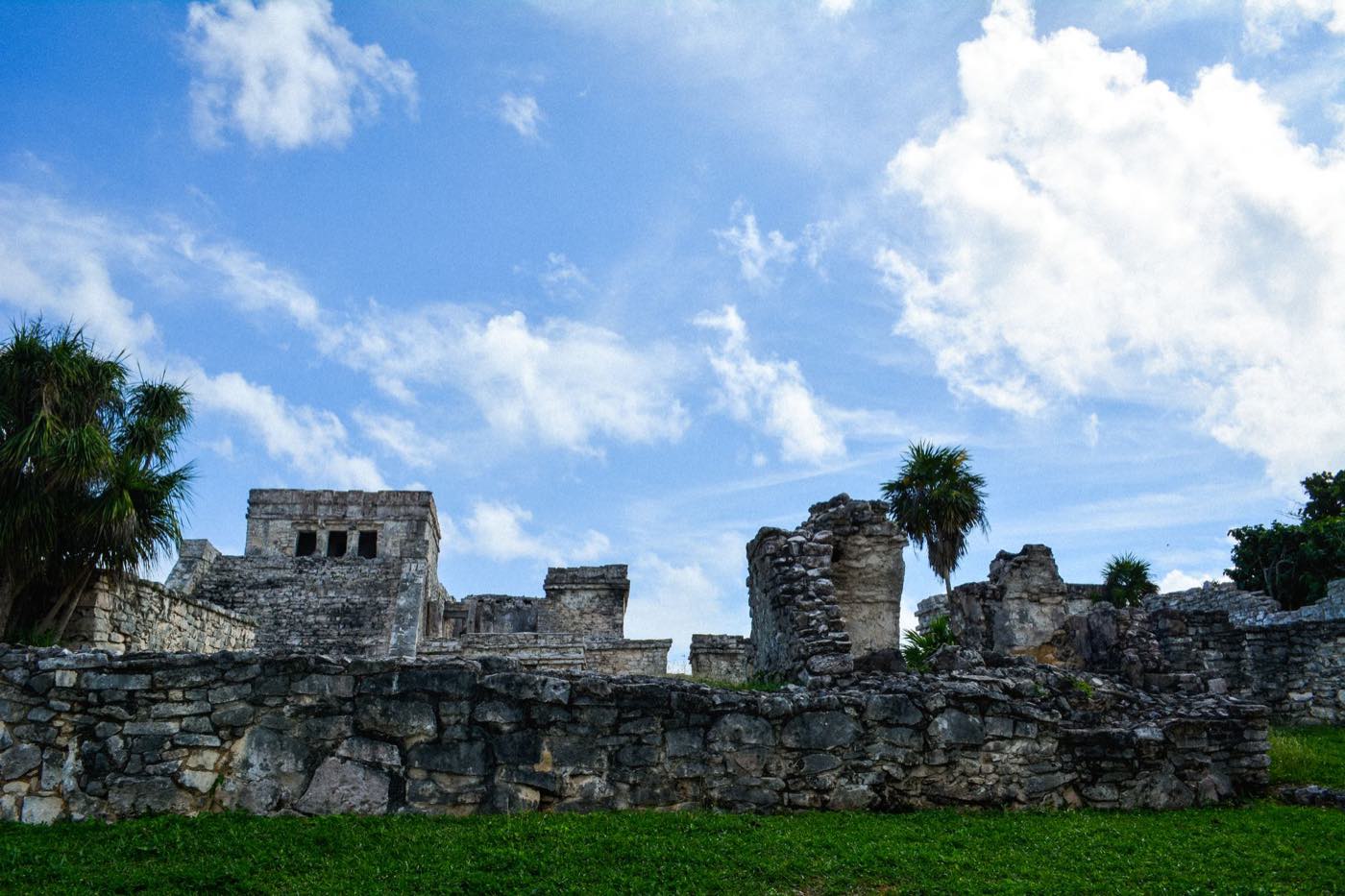

Tulum sits 40 miles (65 km) south of Playa del Carmen in the state of Quintana Roo, Mexico, and it is the easiest day trip on the entire Riviera Maya: a 50 peso colectivo, 45 minutes on Highway 307, and you are standing in front of the only Maya city ever built on a sea cliff. The catch is that there are three different Tulums, and visitors mix them up constantly. Here is what there actually is to do in Tulum, with admission prices current to September 2026, opening hours, driving distances, and a straight answer to the question everyone asks: sleep there, or come for the day.
Getting to Tulum from Playa del Carmen: colectivo, ADO bus or rental car
The colectivo is the best way to get to Tulum from Playa del Carmen: 50 pesos (about $2.70), 45 to 50 minutes, and a departure every 5 to 10 minutes from 6 am to 11 pm. You have four options for those 40 miles (65 km) of Highway 307:
- Colectivo. White 14 seat vans, Calle 2 Norte between Avenidas 15 and 20, or Calle 1 Sur near the Chedraui. 50 pesos (about $2.70), paid when you get out. The driver drops you anywhere you ask along the 307, Dos Ojos included.
- ADO bus. Around 120 pesos (about $6.50), 50 minutes to 1 hour, one departure every 30 to 60 minutes. Twice the price, but air conditioned with luggage hold.
- Rental car. 600 to 1,000 pesos a day (about $32 to $54), 1 hour of driving. Essential if you want to chain Cobá, Kaan Luum and a cenote in one day: none of the three has public transport.
Tell the driver ruinas de Tulum, not Tulum. The colectivo terminus is the town, 2.5 miles (4 km) south of the archaeological site.
The three Tulums that visitors confuse
There are three separate Tulums, spread across 6 miles (10 km), and mixing them up is the single mistake that ruins the most days.
1. The archaeological zone, at the north end, on the cliff: the Maya site, the Parque del Jaguar gate and the parking lot. No good restaurants, no hotels.
2. Tulum Pueblo, the town, 2.5 miles (4 km) south on the 307: colectivo and ADO terminus, ATMs, supermarket, cheap hostels. This is affordable Tulum.
3. The hotel zone, along the Tulum to Boca Paila coast road, 2.5 to 3 miles (4 to 5 km) east of town: 6 miles of pavement squeezed between beach and jungle, lined with boutique hotels and beach clubs. This is Instagram Tulum, and the most expensive strip in Mexico.
Why it matters: a taxi from town to the hotel zone runs 150 to 250 pesos (about $9 to $15) one way at fixed rates, more after dark. Book a room in town thinking you are on the beach and you pay that twice a day.
Tulum ruins: 2026 admission, hours and when to show up
Foreign visitors pay 265 pesos (about $16) to enter the Tulum ruins as of July 20, 2026, roughly half what it cost before. The total breaks into three tickets:
- Parque del Jaguar: 100 pesos (about $5.40) for foreigners, free for Mexicans.
- National park and archaeological zone: 165 pesos (about $10) for foreigners, 80 pesos (about $4.30) for Mexicans Monday to Saturday, free on Sundays.
- Electric shuttle from the parking lot to the gate: 20 pesos (about $1), optional.
This reform, part of the Plan Tulum Renace signed in Tulum on July 17, 2026, replaced the stack of separate fees that pushed the bill to 515 to 625 pesos earlier in 2026. Any blog still quoting $28 or 500 pesos has not been updated.
- Hours: 8 am to 5 pm daily, last admission around 3:30 pm.
- Time needed: 1 hour to 1 hour 30 on a marked one way circuit.
- When to go: 8 am, at opening. The clifftop has no shade at all, and the coaches from Cancún start arriving at 10 am.
- Payment: cash in pesos, and there is no ATM on site.
- Guide at the gate: 600 to 1,500 pesos (about $35 to $88) for roughly thirty minutes, negotiable.
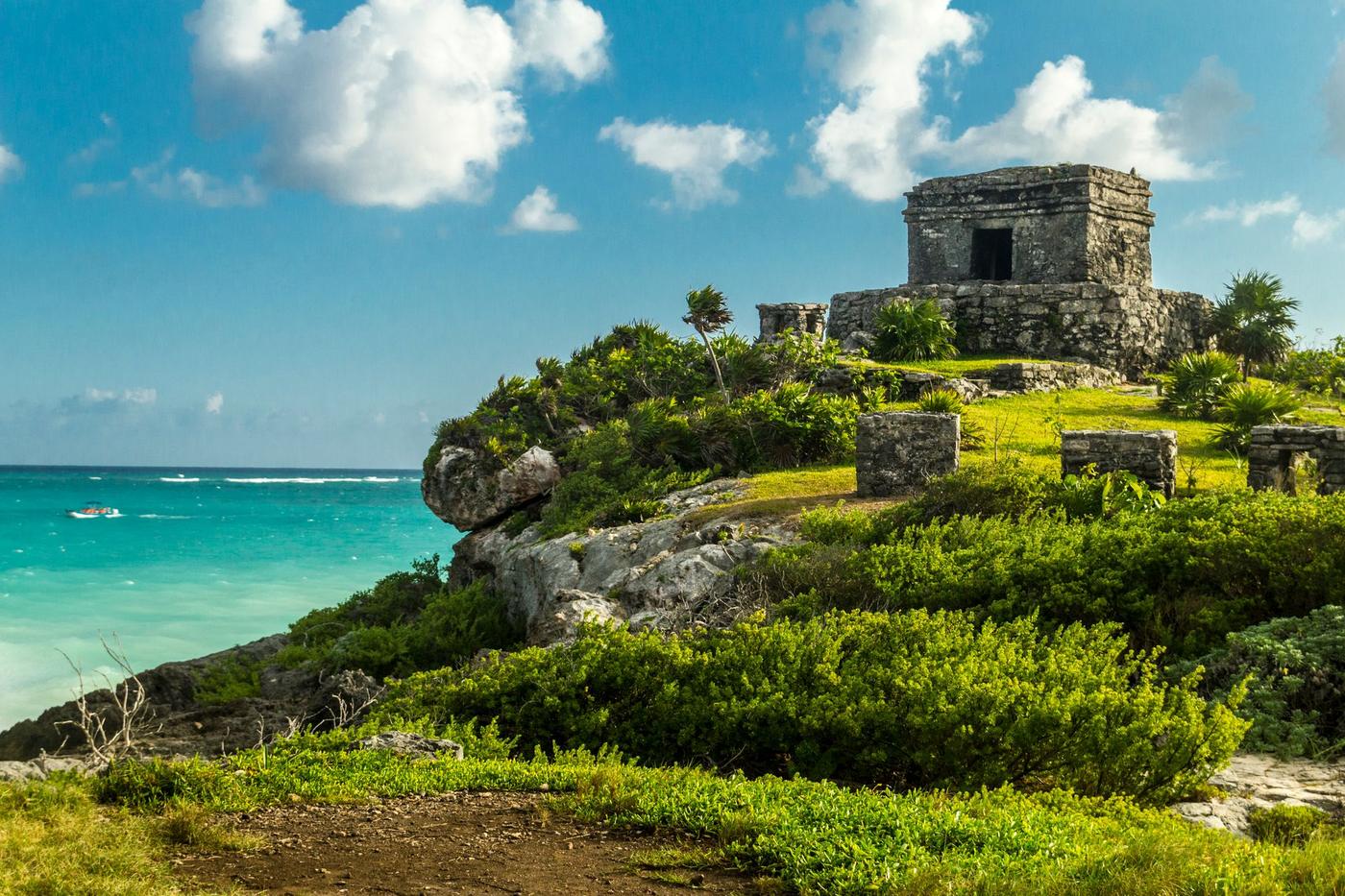
Our take: Tulum is not Chichén Itzá. You do not come for the architecture, which is modest, but for the setting, a walled Maya city on a cliff above turquoise water. That is worth 265 pesos and ninety minutes, and not much more.
The beach below the ruins: access is never guaranteed
Do not build your day around the little cove under the ruins. The wooden staircase down to Playa Ruinas has been closed for years at a time, reopened, then closed again depending on Parque del Jaguar construction, swell and sargassum: no source can tell you its status on the day you visit. Pack a swimsuit, but have a plan B, since the Parque del Jaguar beaches and Playa Paraíso are free to walk onto. And note that once you leave the archaeological zone, your ticket does not let you back in.
The cenotes near Tulum: Gran Cenote, Dos Ojos, Calavera and Casa Cenote
The cenotes are the best reason to give Tulum a full day, and the only activity here that does not depend on the state of the sea.
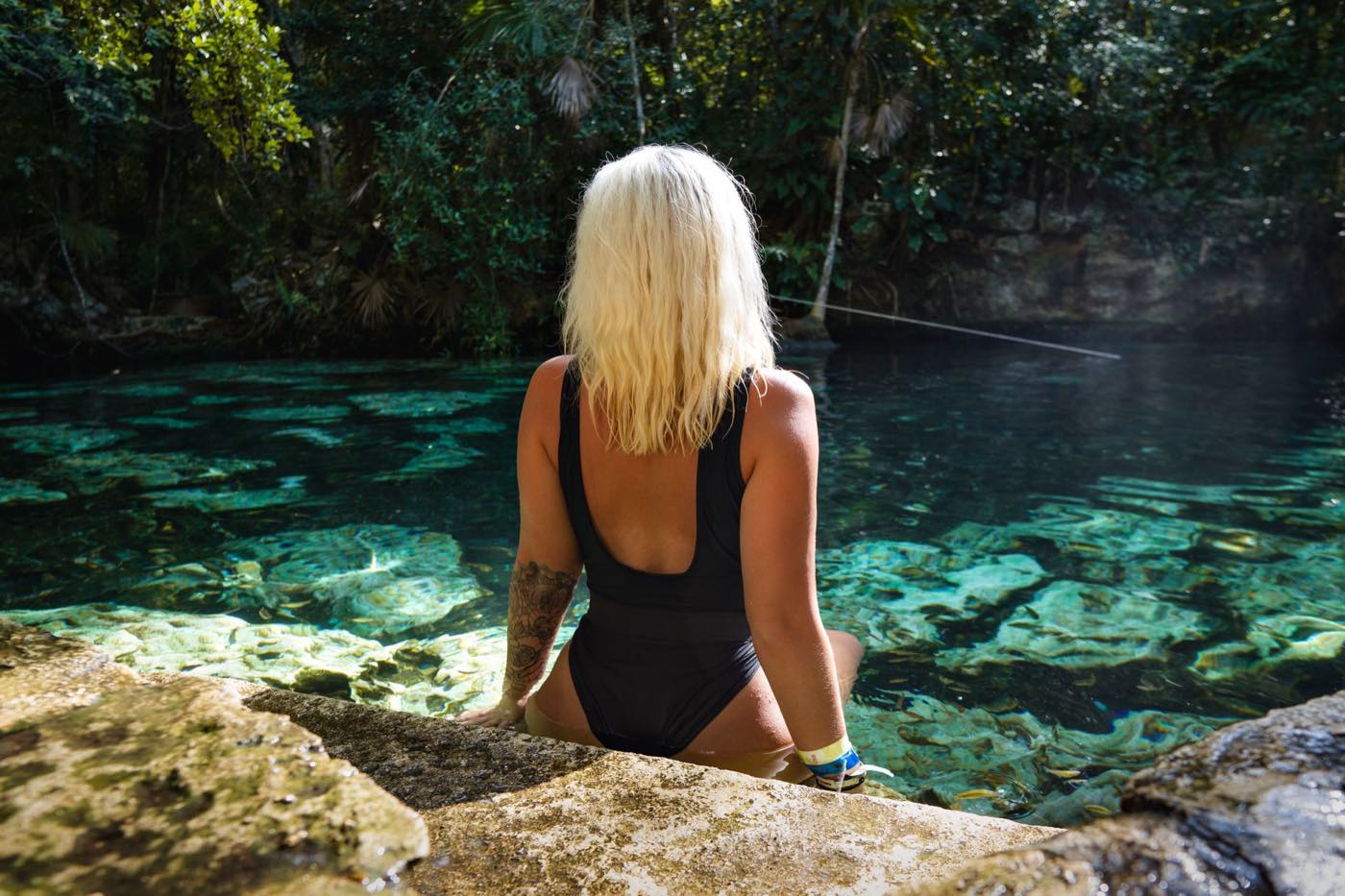
- Gran Cenote, 2.5 miles (4 km) from town on the Cobá road. 500 pesos (about $29), 8 am to 4:45 pm, last entry 4:15 pm. Wooden walkways, a stalactite cavern, and freshwater turtles you will almost certainly see. Also the priciest and busiest: there is a queue on the stairs by 10 am.
- Dos Ojos, 11 miles (17 km) north of town on the 307, so on your way down from Playa. 350 to 450 pesos (about $21 to $27), 8 am to 5 pm. The best cavern snorkeling in the region, life jacket included.
- Cenote Calavera, 2 miles (3 km) from town on the Cobá road. 100 to 250 pesos (about $6 to $15), 9 am to 5 pm, 100 pesos by taxi from the center. Three openings that read as a skull from above, and a 10 foot jump. No lockers, and the least stable pricing in the area.
- Casa Cenote, 6 miles (10 km) north of town at Tankah. 150 to 200 pesos (about $9 to $12) to swim, around 500 pesos (about $29) for divers, 8 am to 5 pm, free parking. A freshwater river through the mangroves, with a resident Morelet's crocodile of about 6 feet. It is used to swimmers, but if that idea bothers you, go elsewhere.
The full comparison of every cenote between Playa and Tulum is in our guide to the cenotes near Playa del Carmen.
Cobá: the pyramid you can still climb
Cobá is the best site to pair with Tulum, and the only major ruin in the region where you can still climb to the top of a pyramid. INAH reopened the Nohoch Mul staircase in December 2025 after six years of closure.
- Price: 330 pesos (about $19) for a non resident foreigner, made up of a 210 peso INAH ticket and a 120 peso ejido fee. Parking around 80 pesos (about $4.30).
- Hours: 8 am to 5 pm, last admission 4 pm. Climbing slots run 8 am to 3:30 pm, in groups of 15. Allow 2 to 3 hours.
- Distance: 45 minutes from Tulum, 1 hour 15 from Playa del Carmen. An inland road with no direct public transport.
- On site: several miles of jungle paths. Bike rental 80 pesos (about $4.30), or a bici-taxi around 150 pesos (about $9) for 90 minutes.
- The pyramid: Nohoch Mul, 138 feet (42 m), climbed on a fitted wooden staircase, with a canopy view that runs to the horizon.
- Nearby: three cave cenotes 3 miles (5 km) away, Choo-Ha, Multum-Ha and Tankach-Ha, 130 pesos (about $8) each, and almost always empty.
Kaan Luum lagoon: 300 pesos for a blue you will not see elsewhere
Kaan Luum gives you the best ratio of price to visual payoff in the area: 300 pesos (about $18), 15 minutes from town, a turquoise lagoon whose center drops into a cenote more than 260 feet (80 m) deep.
- Getting there: 15 minutes south of Tulum, about 1 hour from Playa. Colectivo around 90 pesos (about $5) plus a third of a mile on foot, or a taxi around 250 pesos (about $15) for four people. Free parking 1,000 feet away.
- On site: a pier, toilets, a snack bar, but no lockers and no real beach. Biodegradable sunscreen is enforced, and alcohol and speakers are banned.
- Swimming: the water never goes above 5 feet across the whole outer ring, which makes it excellent with young children. The central cenote is roped off and closed to swimmers.
- The catch: from May to October the rains load the lagoon with sediment and the turquoise you saw in photos simply is not there.
Sian Ka'an: the reserve, and how to see it without buying a tour
Sian Ka'an, a UNESCO listed biosphere reserve, costs far less through the Muyil entrance than through the hotel zone.
- Via Muyil, 16 miles (25 km) south of town on the 307 and reachable by colectivo. Park entry 70 to 75 pesos (about $4 to $4), Muyil ruins 65 to 75 pesos on top, boardwalk to the dock around 50 pesos, and a boat around 1,000 pesos (about $59) for up to six people, so 300 to 350 pesos a head with four. This is where you do the float down the ancient Maya canal, carried by the current in a life jacket.
- Via the coast road, at the far end of the hotel zone: a federal CONANP fee of around 225 pesos (about $13), cash at the barrier, and you need a high clearance vehicle past it.
Guided tours from Tulum, transport, guide and boat included, run about $100 to $150 per person. Without a car they make sense; with one, doing Muyil yourself costs roughly a third.
Beach clubs and the minimum spend nobody tells you about
This is the most common unpleasant surprise in Tulum: most beach clubs on the coast road publish no entry fee at all, but impose a minimum spend of 500 to 1,500 pesos per person (about $27 to $81), with food and drink counting toward it. A cocktail runs 250 to 400 pesos (about $15 to $24), and an afternoon of loungers plus lunch for two can hit 3,000 pesos (about $177). The minimum is almost never posted at the entrance: it appears the moment you ask for a lounger.
Three ways around it:
- Public beaches. Playa Pública and Playa Paraíso are free to enter, and the strip below the high tide line is public along the entire coast by Mexican law.
- The 2026 agreements. Sixteen hotels and beach clubs in the hotel zone committed to letting visitors through with no entry fee and no minimum. The list changes, so ask in town.
- The simple places. At Zazil Kin a lounger rents for 150 pesos (about $9), or comes free with 200 pesos (about $12) spent at the restaurant.
Sargassum in Tulum: the variable that decides your day
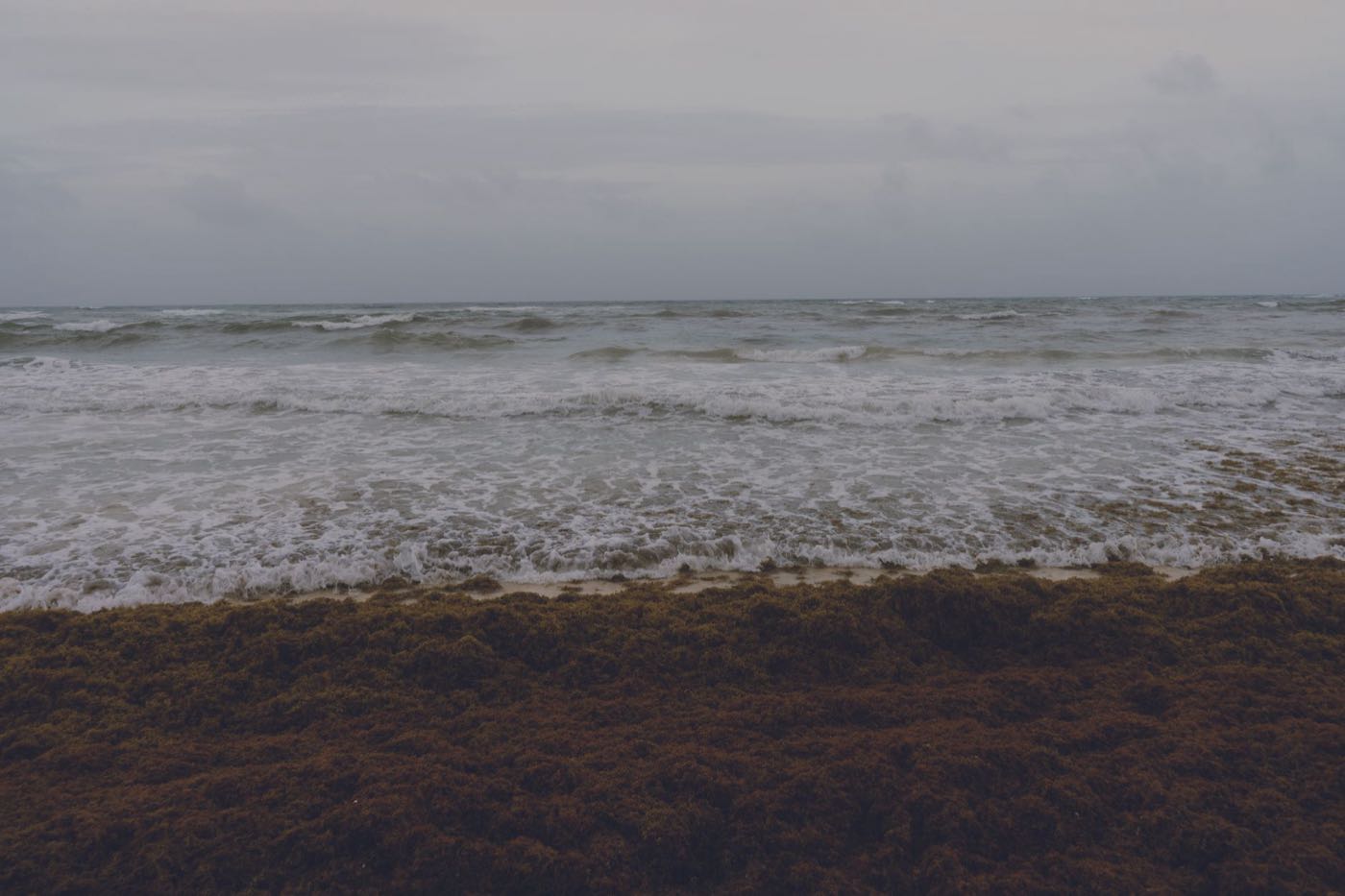
Let us be blunt: Tulum is the most sargassum exposed stretch of the Riviera Maya, and from April to August the sea there is brown more often than it is turquoise.
The coast faces due east with no island to shield it, and the hotel zone is made of small properties that cannot afford the offshore barriers Cancún deploys. Since the start of 2026, more than 5,600 tonnes of seaweed have been hauled off Tulum beaches, already more than the whole of 2025.
None of that touches the ruins, Cobá, Kaan Luum or the cenotes, but it decides a beach day entirely. From November to March the water is clear; from May to August, build the cenote plan in from the start. Today's conditions beach by beach and the month by month calendar are in our guide to sargassum in Tulum.
What each site around Tulum costs
| Site | From Playa | Foreigner price | Time on site |
|---|---|---|---|
| Tulum ruins | 40 mi, 1 hr | 265 pesos ($16) | 1 hr 30 |
| Gran Cenote | 43 mi, 1 hr 10 | 500 pesos ($29) | 1 hr 30 |
| Dos Ojos | 30 mi, 50 min | 350 to 450 pesos ($21 to $27) | 2 to 3 hr |
| Cenote Calavera | 42 mi, 1 hr 10 | 100 to 250 pesos ($6 to $15) | 1 hr |
| Casa Cenote | 34 mi, 1 hr | 150 to 200 pesos ($9 to $12) | 1 hr 30 |
| Cobá | 68 mi, 1 hr 15 | 330 pesos ($19) | 2 to 3 hr |
| Kaan Luum | 47 mi, 1 hr | 300 pesos ($18) | 2 to 3 hr |
| Muyil and Sian Ka'an | 56 mi, 1 hr 20 | 135 to 150 pesos plus boat | 4 to 5 hr |
Rate used: about about 17 pesos to the dollar, September 2026. Nearly every one of these sites takes cash in pesos only.
Should you sleep in Tulum or day trip from Playa?
Our position is clear: day trip from Playa del Carmen, unless your trip revolves around cenote diving or you have the budget for the coast road.
- The price of a bed. For the same quality, the hotel zone is the most expensive area in Quintana Roo, with many rooms running on generators. The town is affordable, but it is 3 miles from the beach and you are dependent on taxis at 150 to 250 pesos a ride.
- The logistics. Without a car, Tulum is the worst base on this coast, while Playa del Carmen is the hub for every colectivo and ADO bus in the region.
- The actual visiting time. The ruins take 90 minutes, a cenote about the same. One colectivo day covers both and gets you back for dinner on Quinta Avenida. The rest of that program is in things to do in Playa del Carmen.
- The sea. Playa del Carmen is better shielded from sargassum thanks to the Cozumel barrier.
Two cases justify sleeping in Tulum: you are diving the area's cenotes over several days, or you are targeting Sian Ka'an and Cobá, which both want 7 am departures. Two nights is enough.
Our template day: colectivo at 7 am, ruins at 8 am when the gate opens, Gran Cenote or Dos Ojos around 11 am, lunch in town, back around 5 pm. Transport and admissions: 800 to 900 pesos per person (about $43 to $49). The month you travel matters as much as the route, so check the best time to visit Playa del Carmen before you lock dates.
Keep going

Frequently asked questions
How do you get to Tulum from Playa del Carmen?
By colectivo: 50 pesos (about $2.70), 45 to 50 minutes, departures every 5 to 10 minutes from 6 am to 11 pm on Calle 2 Norte between Avenidas 15 and 20, or Calle 1 Sur near the Chedraui. Say ruinas de Tulum to the driver if you want the archaeological site, otherwise you will be dropped in town, 2.5 miles (4 km) further south. The ADO bus costs around 120 pesos (about $6.50) for 50 minutes to 1 hour, with air conditioning and a luggage hold. Driving takes about 1 hour for 40 miles (65 km).
How much does it cost to enter the Tulum ruins in 2026?
265 pesos (about $16) for a foreign visitor since July 20, 2026: 100 pesos for the Parque del Jaguar and 165 pesos for the national park and archaeological zone combined. Mexicans pay 80 pesos Monday to Saturday and enter free on Sundays. The electric shuttle from the parking lot is 20 pesos. This replaced the older stack of fees that reached 515 to 625 pesos earlier in 2026. Bring cash in pesos.
Can you swim at the beach below the Tulum ruins?
Not reliably. The wooden staircase down to Playa Ruinas has been closed for years at a time, reopened, then closed again depending on Parque del Jaguar works, swell and sargassum arrivals. Pack a swimsuit, but do not build your day around it: plan on Playa Paraíso just to the south, or a cenote, instead. Note too that once you exit the archaeological zone, your ticket will not let you back in.
Do you have to pay to go to the beach in Tulum?
No. The sand below the high tide line is public along the whole Mexican coast, and Playa Pública and the Playa Paraíso stretch are free to enter. What you pay for is comfort: most beach clubs on the coast road impose a minimum spend of 500 to 1,500 pesos per person (about $27 to $81) for a lounger, with cocktails at 250 to 400 pesos. At Zazil Kin a lounger is 150 pesos, or free with 200 pesos spent. Sixteen hotel zone properties committed in 2026 to dropping both entry fees and minimums.
When is the best time to visit Tulum?
November to March: the sea is clear, highs sit at 79 to 84°F (26 to 29°C) and sargassum is rare. From April to August, Tulum is the worst hit beach on the Riviera Maya, with more than 5,600 tonnes of seaweed removed since January 2026, already more than the whole of 2025. That does not affect the ruins, Cobá or the cenotes, but it does end a beach day: check the current situation in our guide to sargassum in Tulum. Whatever the season, visit the ruins at 8 am when they open, ahead of the Cancún coaches and the heat.
Book your activities
Experiences to compare and book directly, without leaving the site.
Partner link. Booking through it doesn't change your price and supports the guide.
Read next
 Plan your tripSargassum in Tulum: The Most Exposed Beach on the Riviera Maya, and How to Enjoy It Anyway
 Plan your tripGetting around Playa del Carmen: taxis, colectivos, apps and the Maya train
 Things to doThings to Do in Playa del Carmen: 12 Activities Ranked by Price, With What Is Worth It and What You Can Skip